

In this itinerary we highlight some of the most significant Baroque-style churches in Rome and propose a potential walking tour that can be done in half a day. You get to experience the grandeur of the art and history of Rome in the 17th – 18th century and admire some incredible artworks from the Baroque masters Gian Lorenzo Bernini and Francesco Borromini, as well as some of Caravaggio’s paintings.
Baroque art and architecture were born out of a time of great religious upheaval during the 17th and 18th centuries. Following the Protestant Reformation, the Catholic Church faced a crisis in faith, needing to reconnect with believers. The Baroque style was the answer, aiming to inspire awe and make religious experiences feel more immediate and emotional. This period saw the emergence of two visionary architects and artists: Gian Lorenzo Bernini and Francesco Borromini. Their rivalry fuelled the creation of some of Rome’s most iconic churches, with Bernini’s dramatic flair contrasting with Borromini’s intellectual and organic approach. As you explore these churches, you’ll see how Baroque art was designed not just to be admired, but to stir emotions and draw viewers into a divine experience.
Know before you go:
- Free Admission: All the churches are free to visit, though donations are appreciated.
- Opening Hours: Most churches close around noon and reopen in the afternoon. Always double-check the specific times before heading out.
- Coins: Bring coins with you! You’ll need them to light up certain artworks or simply to leave a donation.
- Start Early: To get the most out of your day, start the tour in the morning. If you begin between 8:30 and 9:00 AM you should have plenty of time to visit everything at your own pace before the noon closure.
Itinerary description
Church of Santa Maria della Vittoria
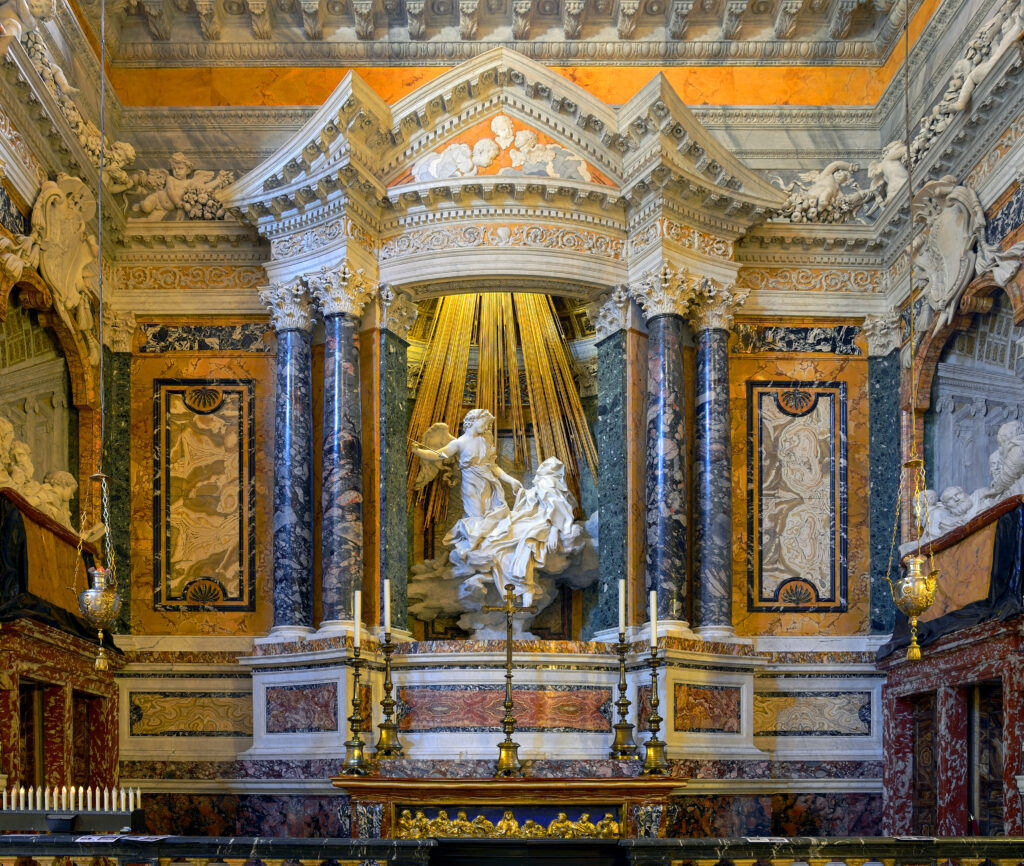
This tour begins at Santa Maria della Vittoria, inside which you can find the iconic “Ecstasy of Saint Teresa”.
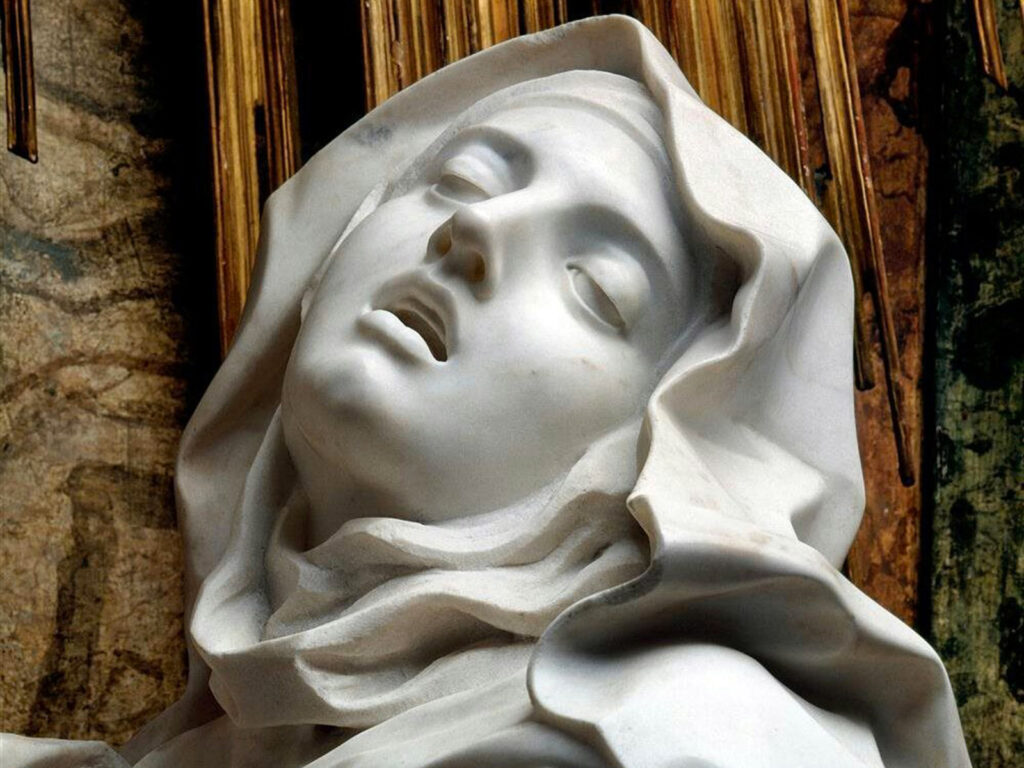
When Bernini created the Ecstasy of Saint Teresa between 1647 and 1652, it caused quite a stir. The sculpture, set in the Cornaro Chapel, shows Teresa in the throes of a mystical experience, with an angel seemingly piercing her heart with a golden arrow. At first glance, the intensity of her expression, the way her body is positioned, and the angel’s almost seductive gesture made the people of that time uncomfortable. It looked far too sensual for a religious moment, and some critics went as far as calling it scandalous—almost like a public display of a private, intimate experience.
The members of the Cornaro family, placed in “boxes” around the scene, only added to the feeling that it was being turned into a theatrical spectacle. Despite the backlash, Bernini’s genius shines through in how he brought the scene to life. He didn’t just carve a statue; he created a visceral experience, using movement, light, and texture to pull the viewer into this emotional and spiritual moment. The way he blended the sensual with the divine was groundbreaking, capturing the tension between earth and heaven in a way that hadn’t been done before.
Interestingly, Bernini realised a similar piece in the Church of San Francesco a Ripa in Trastevere, the Ecstasy of Saint Teresa’s contemporary, Pia Albertoni. Should you be interested to admire it, we recommend visiting the church, although it is not part of this itinerary.
San Carlino alle Quattro Fontane
Only a few meters away and next on this itinerary you will find San Carlo alle Quattro Fontane, known as “San Carlino” due to its small size. This little gem was designed by Francesco Borromini and shows off his genius in a way that’s totally different from Bernini’s dramatic flair
Here’s a little backstory: the Baroque style wasn’t just about creating pretty churches. It was born out of a big challenge for the Catholic Church. After Martin Luther and the Protestant Reformation shook things up, the Church realized it was losing followers and influence. The Popes of that time needed a way to bring people back and reignite their faith. So, they decided to make church-going an unforgettable experience—something emotional, beautiful, and impossible to ignore. Enter artists like Bernini and Borromini, who were commissioned to create art and architecture that made people feel connected to the divine.
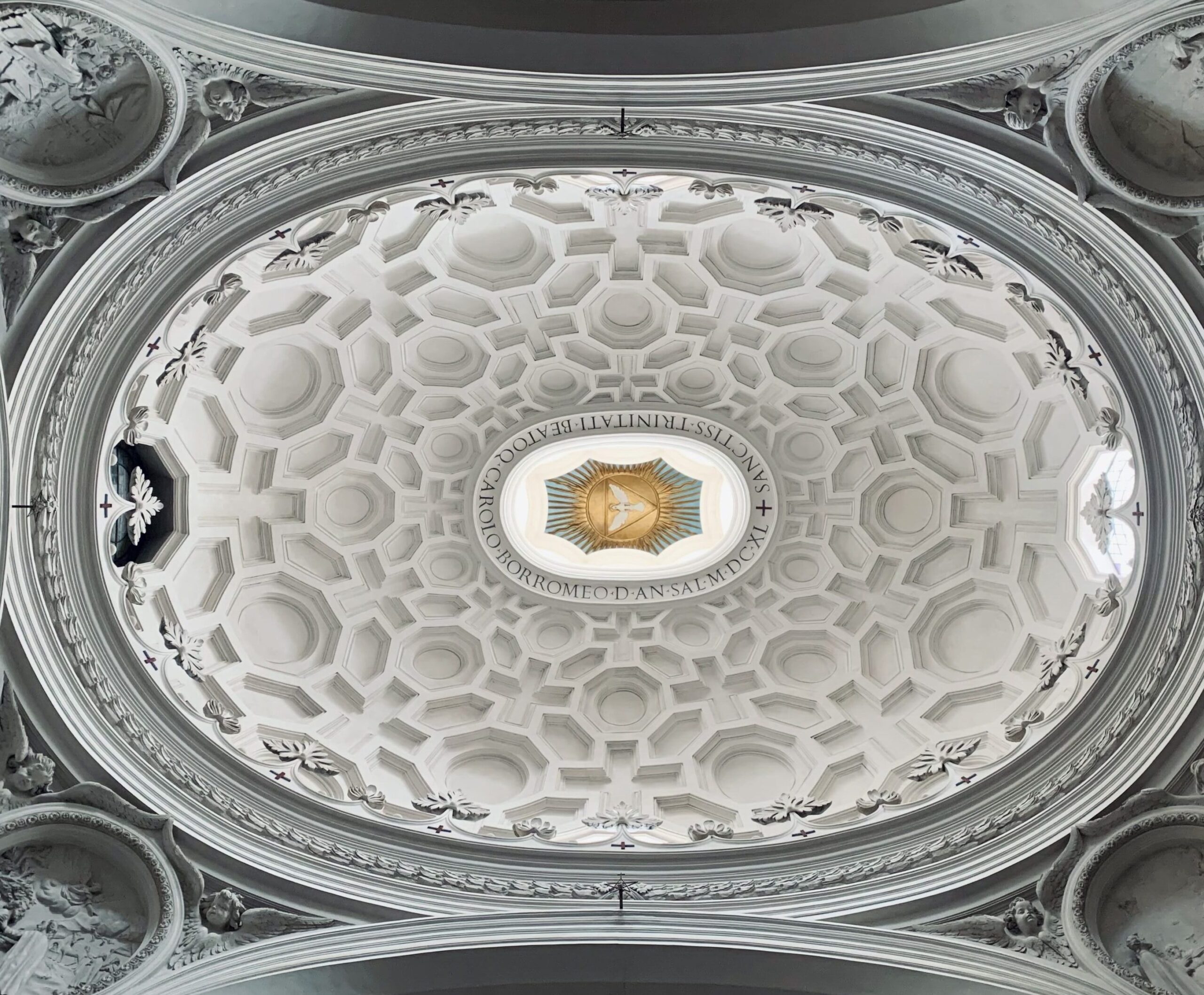
In San Carlino, you can really see how Borromini worked this magic. Unlike Gothic cathedrals, which can feel cold and make you feel tiny and insignificant, Baroque churches like this one are designed to wrap you up in their curves and make you feel like you belong. Inside San Carlino, everything flows—walls ripple, the oval dome seems to stretch toward the heavens, and light and shadow play across the white interior like they’re part of the design. It’s not overwhelming; it’s welcoming, almost like the church is giving you a big hug.
Before you leave, drop a coin in the box to light up the dome. The glowing patterns reveal Borromini’s brilliance and the Baroque goal of reconnecting people with the Church. Don’t miss this magical moment!
Sant’Andrea al Quirinale
The next stop on your Baroque walking tour is Sant’Andrea al Quirinale, just a short walk from San Carlino. Designed by Gian Lorenzo Bernini in the mid-1600s, this church is a stunning example of his talent for blending art, architecture, and drama. It was commissioned by the Jesuits, and Bernini considered it one of his favorite projects—so much so that he reportedly visited it regularly to admire his own work.
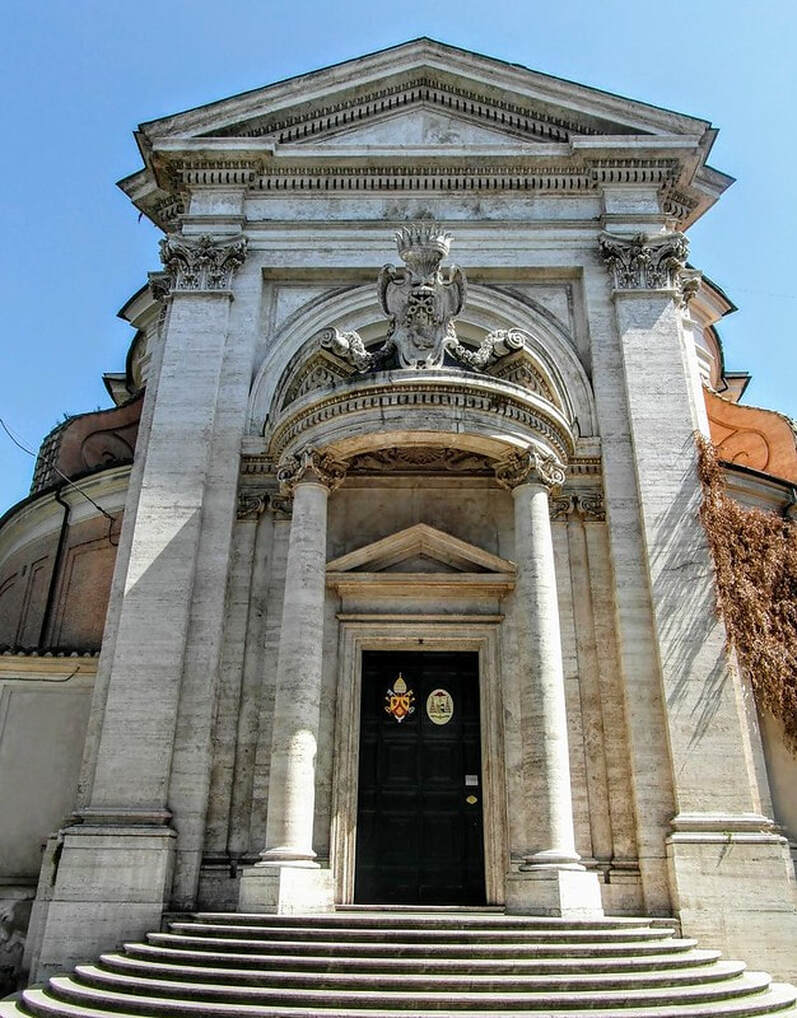
Sant’Andrea al Quirinale is another masterpiece by Bernini that contrasts beautifully with the serenity of Borromini’s designs. While San Carlino embraced subtlety and curvature, Sant’Andrea is all about theatrical grandeur, designed to draw you upward and immerse you in the divine. The oval layout and dramatic altar focus your attention on the saint’s ascent toward heaven, making it one of Bernini’s most theatrical works
Basilica of Sant Agostino
The Basilica di Sant’Agostino is a perfect example of understated Baroque elegance. While the church itself is lovely, the main draw here is Caravaggio’s famous Madonna dei Pellegrini painting, which is a true masterpiece with a fascinating backstory.
Commissioned in 1604 by Girolamo Vittrice, a wealthy patron and member of a confraternity that helped pilgrims traveling to Rome, the painting was meant to honor the Virgin Mary’s protection of the faithful. Caravaggio’s depiction of the Madonna is revolutionary for its time. Rather than presenting the Virgin Mary as an idealized or distant figure, Caravaggio painted her with a deeply human, relatable touch. She’s shown seated on the ground with a tender, almost intimate expression, making her appear more like a mother than a saint. What sets this work apart is the way Caravaggio depicts the pilgrims—two of them are shown kneeling before her, one with dirty, worn shoes, capturing a raw, real moment of devotion. This kind of unpolished realism was a hallmark of Caravaggio’s work and the Baroque style in general.
The Baroque period was all about involving the viewer emotionally, making religious scenes more accessible and relatable. Caravaggio used dramatic contrasts of light and shadow, known as chiaroscuro, to create depth and intimacy, pulling you into the scene. In this painting, the light seems to focus on the Madonna and the pilgrims, making you feel like you’re part of the moment. This emotional engagement and realistic portrayal of religious figures made the Baroque style especially powerful during the Counter-Reformation, as it was designed to inspire a deep, personal connection to faith.
Church of St. Louis of the French
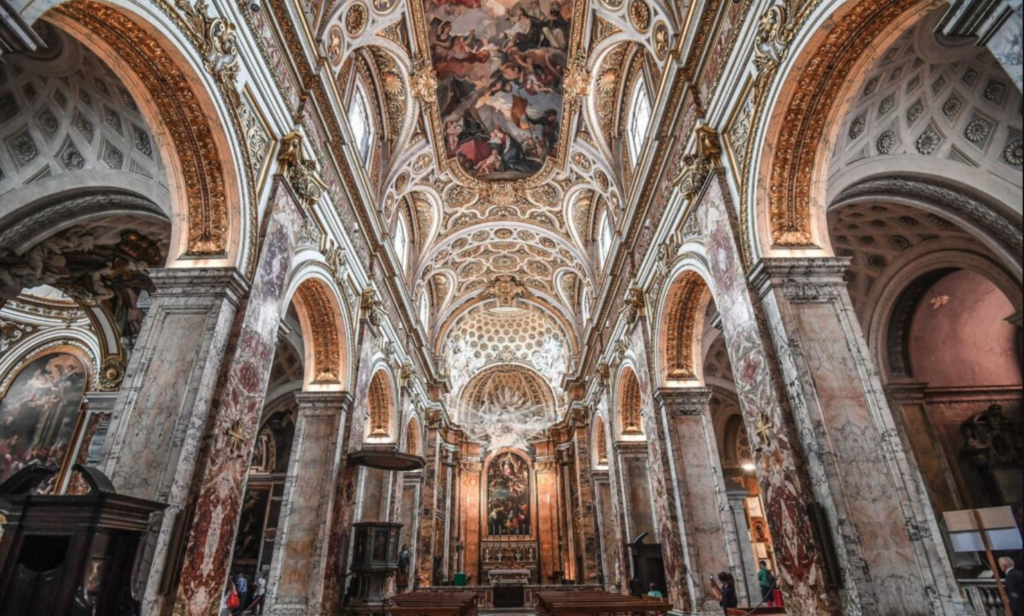
Next up is Saint Luigi dei Francesi, the national church of the French community in Rome. Built in the late 1500s to honor Saint Louis IX, France’s patron saint, it was a gathering spot for French pilgrims and expats. The church is stunning inside, but the real showstopper is Caravaggio’s Vocation of Saint Matthew, tucked in the left corner as you walk in.
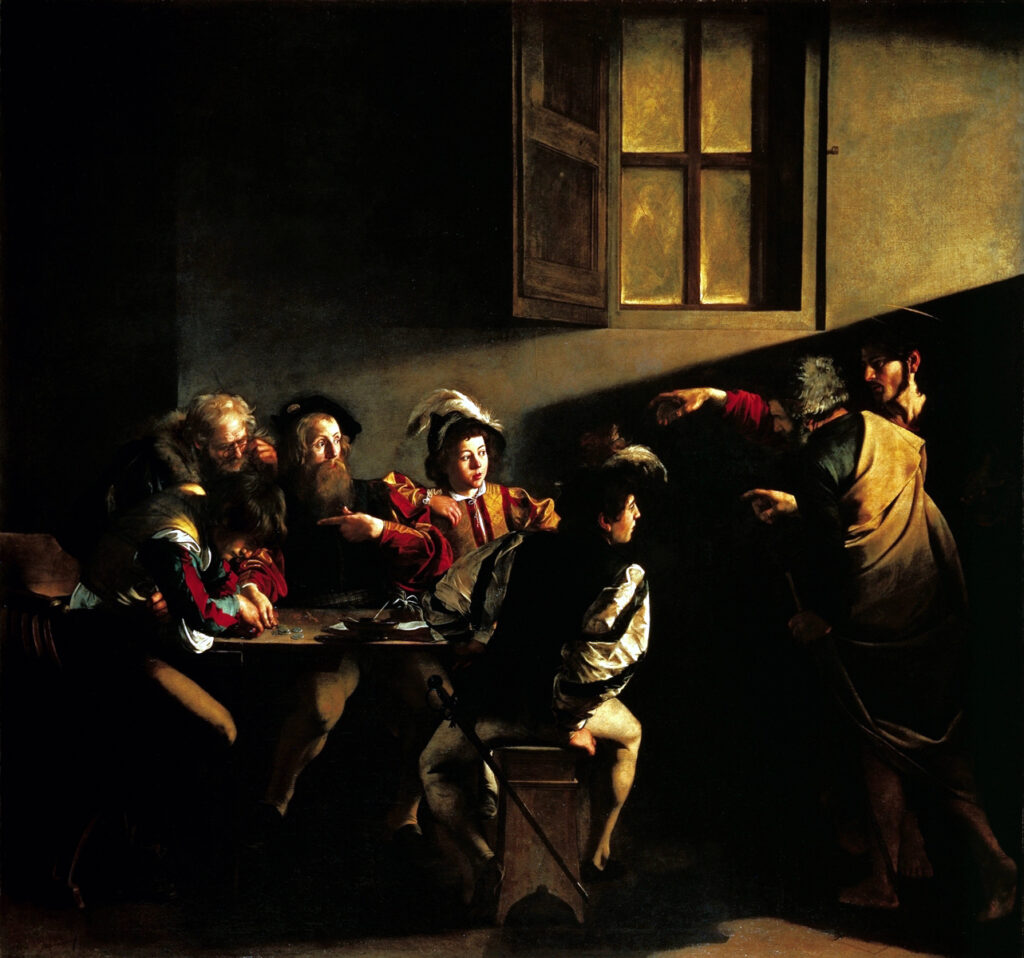
This masterpiece captures the dramatic moment Jesus calls Matthew, a tax collector, to follow him. Caravaggio’s signature play of light and shadow, known as chiaroscuro, makes the scene feel alive, almost like a spotlight is hitting the key moment. What’s really cool is how he places the characters in a gritty, everyday setting, with people dressed like they just stepped out of 16th-century Rome. That human touch is what Baroque art is all about—making big, sacred moments feel real and personal.
Pop 1€ into the light box to bring the painting to life—it’s absolutely worth it to see all the details. Caravaggio nailed the mix of drama and emotion here, and it’s a perfect example of how Baroque art was designed to pull you in and make you feel something.
St. Ivo alla Sapienza
Next on our Baroque adventure is Sant’Ivo alla Sapienza, a true gem of Borromini’s genius. Tucked inside the courtyard of the former University of Rome, this church isn’t the easiest to access—it’s often closed for renovations, so double-check opening times before you go! But if you manage to visit, you’re in for something truly special.
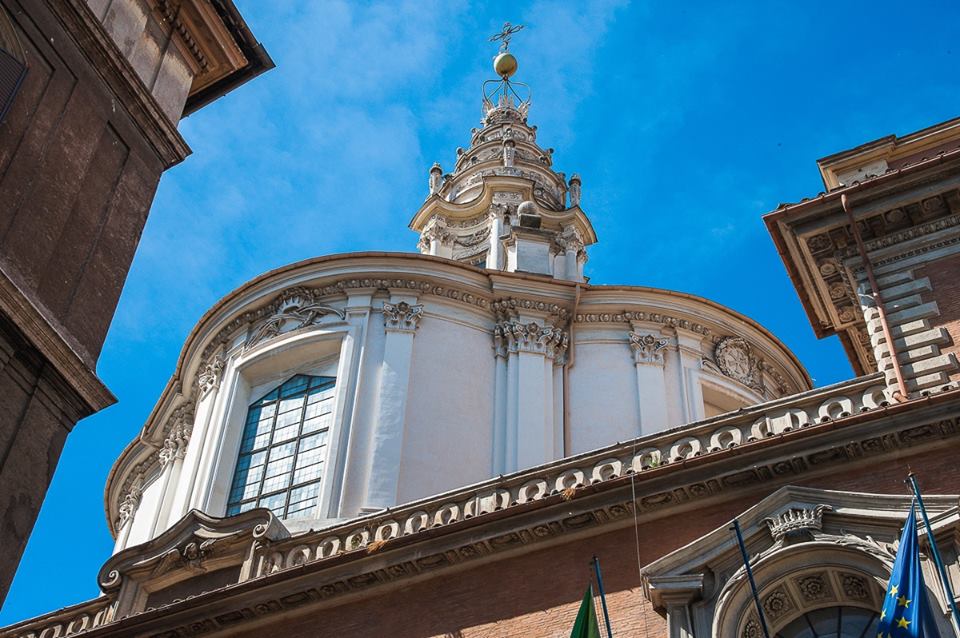
The standout feature of this church is, without a doubt, its dome. Forget what you know about domes because Borromini’s creation is unlike anything else in Rome—or the world, for that matter. Instead of the usual rounded or grandly proportioned shapes, Sant’Ivo’s dome spirals up in a way that feels almost alive, like it’s reaching for the heavens. It’s topped with an intricate corkscrew spire, making it one of the most unique and imaginative designs in Baroque architecture. The interior reflects this same sense of motion and fluidity, with curving walls and geometric patterns that seem to draw you into a harmonious embrace.
Borromini’s style couldn’t be more different from Bernini’s. While Bernini was all about dramatic flair and theatrical grandiosity, Borromini played with geometry, light, and subtle forms to create spaces that feel deeply spiritual and serene. Walking into Sant’Ivo, you don’t get the sense of being overwhelmed like you might in a Bernini masterpiece; instead, it feels like the space is gently cradling you, thanks to Borromini’s genius use of curves and light.
Sant’Ivo alla Sapienza is a perfect example of how the Baroque period wasn’t just one style but a dialogue between different visions. Borromini’s work here shows how Baroque architecture could be bold and inventive, yet intimate and deeply personal. If you’re lucky enough to find the doors open, take your time to soak in every detail—it’s a masterpiece you won’t forget.
Basilica of Saint Mary of Minerva
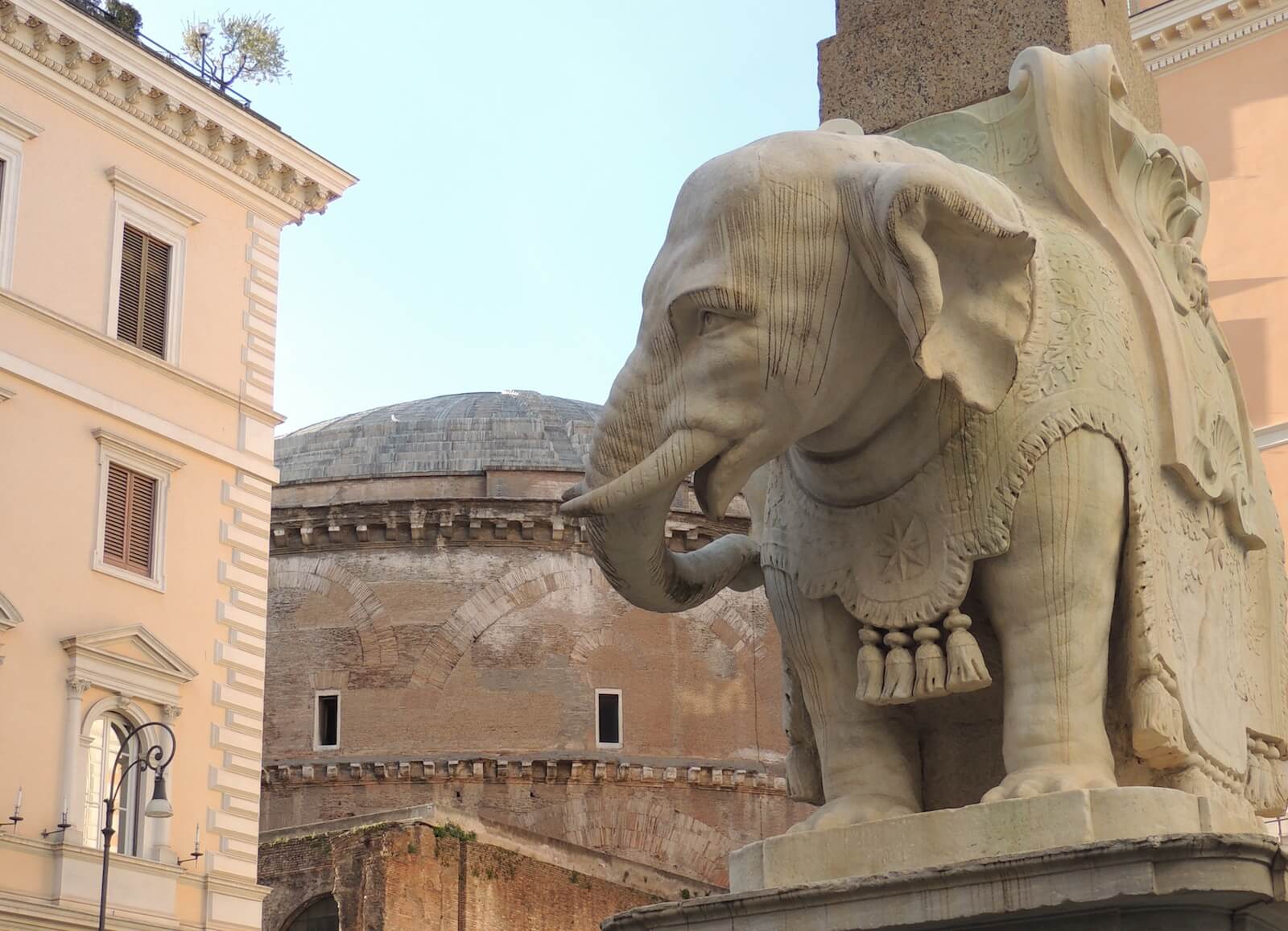
Your next stop is the fascinating Santa Maria Sopra Minerva, a church that’s full of surprises even before you walk through its doors. As you step into the square, you’ll be greeted by the quirky Elephant and Obelisk statue, one of Bernini’s delightful creations. But this statue isn’t just about its whimsical charm—it has a spicy backstory too. The elephant’s behind is pointed directly at the entrance of the palace next door, where a Dominican friar had argued against the construction of the statue, saying it was inappropriate for the sacred space. Bernini, with his usual flair, made sure to leave a not-so-subtle message in his design, proving that Baroque art wasn’t just about drama—it had a sense of humor too!
Rome’s only Gothic church, you’ll experience a stark contrast to the typical Baroque style. With its soaring arches and dim, mystical atmosphere, the church sits atop an ancient Roman temple dedicated to Minerva, giving it its name—”St. Mary over Minerva.”
The church is historically significant for its connection to Galileo Galilei, who was tried here in 1633 for supporting the heliocentric theory, forced to recant his groundbreaking ideas. It’s a powerful reminder of the clash between faith and reason.
Take a moment to admire the art within, including Michelangelo’s statue of Christ. Santa Maria Sopra Minerva offers more than Baroque beauty—it’s a poignant chapter in Rome’s rich history.
BONUS: Rome’s best coffee ☕️
Between Sant’Ivo alla Sapienza and Saint Ignazio di Loyola, don’t miss a coffee break at Sant’Eustachio Il Caffè, famous for serving the best coffee in Rome, and quite possibly the whole world! Their secret blend and traditional methods make every sip unforgettable. Try their signature Gran Caffè or a classic espresso for a true taste of Roman coffee culture. Pro tip: Stand at the counter for the authentic Italian experience!
Chiesa di Sant’Ignazio di Loyola
Your last stop is the impressive Church of Saint Ignazio di Loyola, the largest Baroque church on this tour. With extended opening hours, it’s the perfect place to end your day. If you see a line outside, don’t worry—it’s just for the popular mirror photo that conquered social media in 2024. Skip it and head inside to enjoy the church’s beauty.
Inside, you’ll be amazed by the stunning ceiling fresco by Andrea Pozzo. Using trompe-l’oeil, Pozzo created the illusion of a massive dome and open sky—but there’s no dome! It’s all painted, a clever trick that will leave you in awe. This masterpiece shows the brilliance of Baroque art, designed to inspire wonder and connect the earthly to the divine.
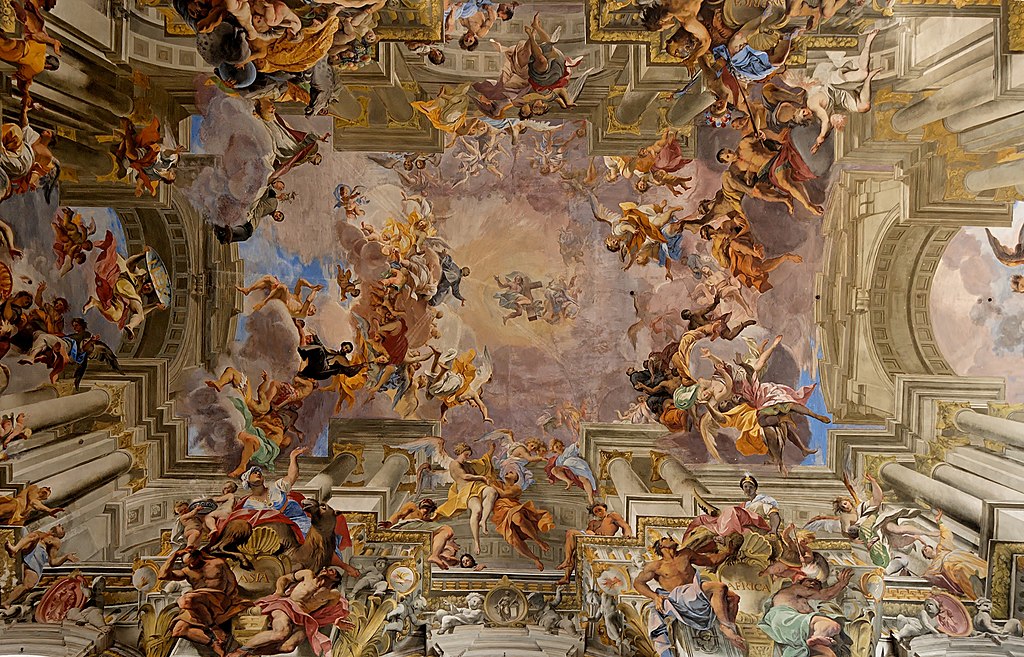
The church, dedicated to Saint Ignatius of Loyola, reflects the Jesuits’ mission to glorify God through education, art, and spirituality. The soaring nave and detailed chapels draw your eyes upward, inviting reflection.
Before you leave, don’t miss the famous mirror that allows you to enjoy the ceiling without straining your neck. But remember, there’s much more to Saint Ignazio di Loyola than just Instagram photos—it’s a powerful example of Baroque art and a perfect ending to your tour.
As you finish your Baroque tour, take a moment to reflect on how these churches—each one a masterpiece—showcase the power of art to connect us to something greater. Whether it’s the dramatic flair of Bernini or the intellectual depth of Borromini, these spaces were designed not just for admiration but to inspire a profound emotional connection to the divine. The Baroque style helped the Catholic Church engage with believers on a personal level, and the legacy of that vision continues to awe visitors from around the world.
More to Discover
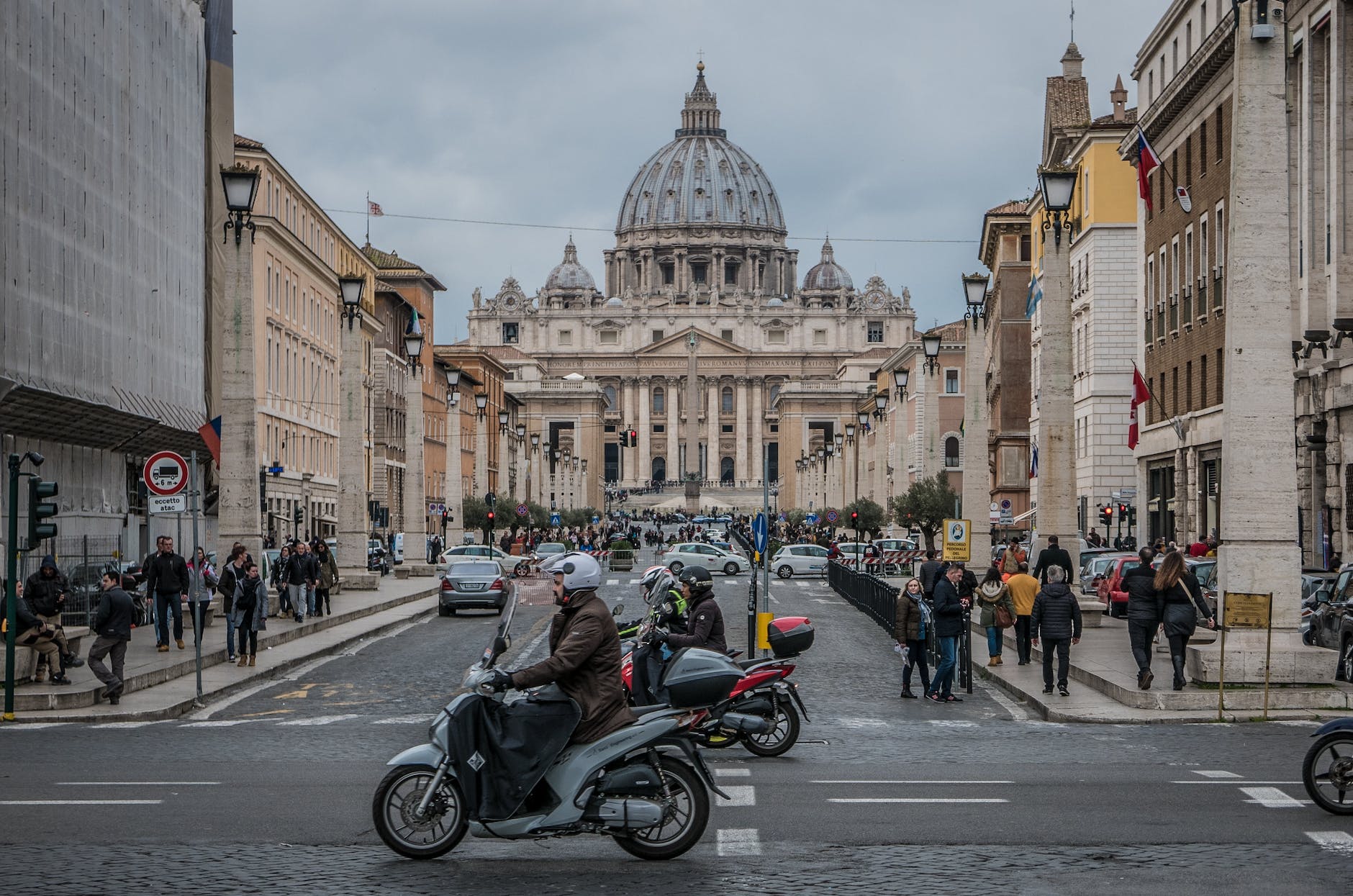
The Top 10 Activities in Rome for First-Time Visitors
Rome, the capital city of Italy, is rich in history, culture, and art. There are numerous activities…
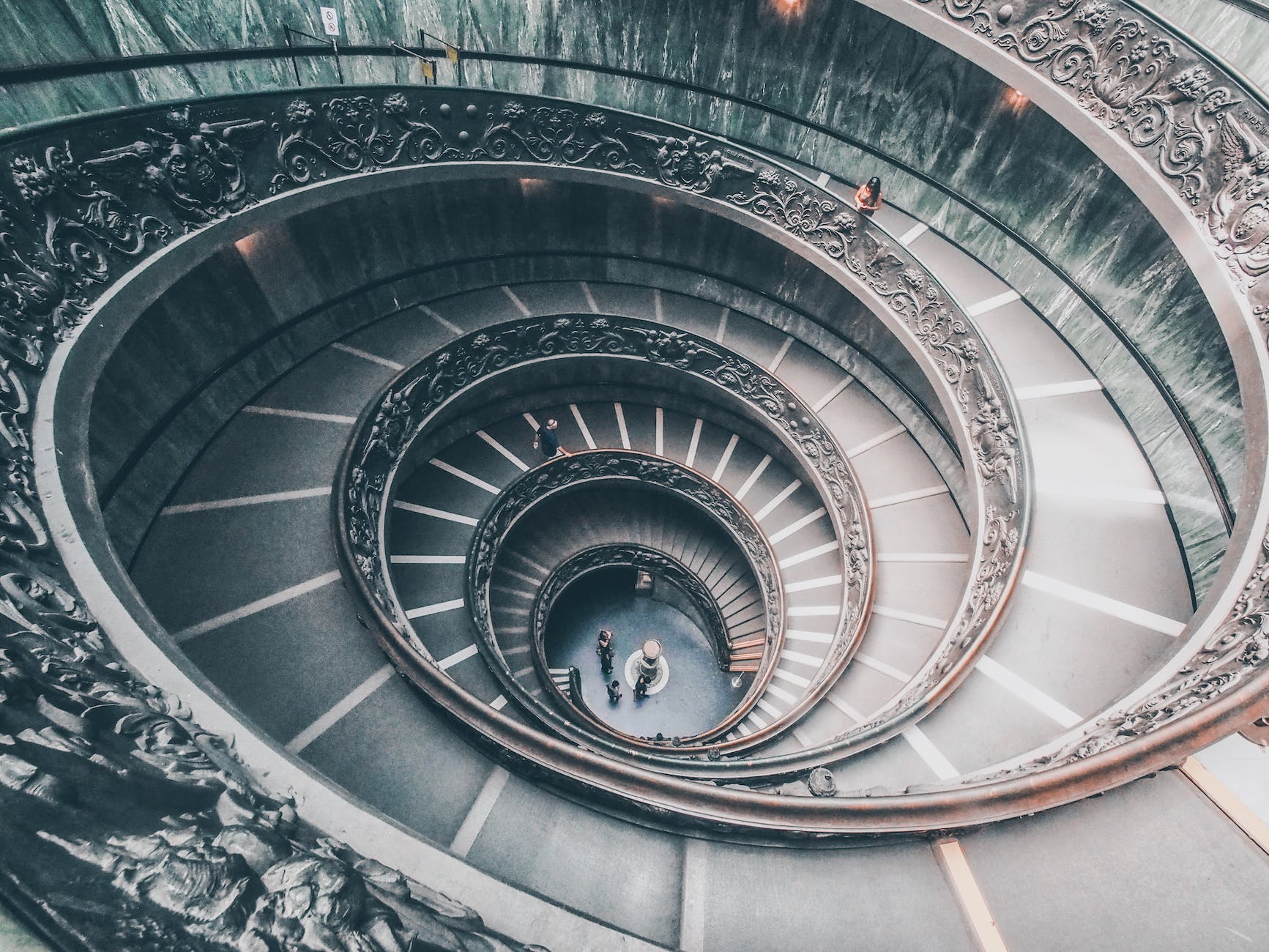
Rome Essentials: The Best 5 Museums Nobody Can Miss
When it comes to immersing yourself in the rich tapestry of Rome’s history and culture, its world-renowned…